current location : home

Harnessing SLM Technology for Automotive Metal Intake and Exhaust Cones

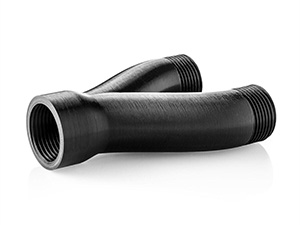
In the ever-evolving automotive industry, the demand for high-performance, lightweight, and durable components continues to rise. One area where innovation is making significant strides is in the manufacturing of metal intake and exhaust cones. Selective Laser Melting (SLM) technology is at the forefront of this revolution, offering unparalleled advantages in producing these critical components. In this article, we explore how SLM technology is transforming the way SLM Car inlet and outlet cone are designed and manufactured.
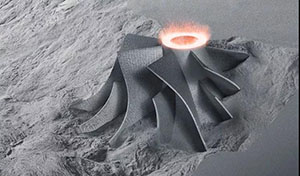
 

Selective Laser Melting (SLM)


What is SLM Technology?

Selective Laser Melting (SLM) is an advanced additive manufacturing process that uses a high-powered laser to fuse metal powder into solid parts. This technology builds components layer by layer, allowing for intricate designs and complex geometries that are difficult or impossible to achieve with traditional manufacturing methods.


Applications of SLM in oem Automotive Metal Intake and Exhaust Cones:
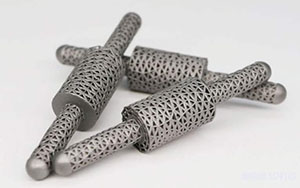
 

Applications of SLM in oem Automotive Metal Intake and Exhaust Cones


1. Complex Geometrical Designs

Automotive intake and exhaust cones often feature intricate geometries to optimize airflow and enhance engine performance. SLM technology excels in producing these complex shapes without the need for additional tooling or machining. This capability allows for greater design freedom and the creation of components that are both efficient and effective.


2. High-Performance Materials

SLM technology can utilize a variety of high-performance materials such as aluminum alloys, titanium alloys, stainless steel, and nickel-based superalloys. These materials provide excellent strength-to-weight ratios, corrosion resistance, and high-temperature performance, which are critical for components exposed to extreme conditions in the engine and exhaust systems.


3. Lightweight Design

One of the key benefits of SLM technology is its ability to produce lightweight components without compromising strength or durability. By using topology optimization and advanced design techniques, manufacturers can reduce the weight of intake and exhaust cones, leading to improved vehicle performance, fuel efficiency, and reduced emissions.


4. Rapid Prototyping and Small Batch Production

SLM technology enables rapid prototyping and small batch production, making it ideal for developing new designs and testing concepts. This agility allows automotive manufacturers to iterate quickly, refine designs, and bring innovative products to market faster than ever before.


5. Enhanced Durability and Longevity

Components produced using SLM technology exhibit superior mechanical properties, including high density, fatigue resistance, and thermal stability. This results in intake and exhaust cones that can withstand harsh operating conditions, ensuring long-term reliability and performance.


6. Custom Cooling Channels

SLM technology allows for the integration of custom cooling channels within the intake and exhaust cones. These channels help manage thermal loads more effectively, reducing the risk of overheating and improving the overall efficiency and lifespan of the components.


Real-World Applications


1.Turbocharger Components

SLM technology is used to manufacture lightweight and high-strength intake and exhaust cones for turbochargers. These components optimize airflow and enhance engine performance while withstanding

high temperatures and pressures.


2. Exhaust Systems

In high-performance and racing vehicles, SLM-produced exhaust cones offer superior durability and reduced weight, contributing to better handling and acceleration.


3. Custom Automotive Solutions

For custom and prototype vehicles, SLM technology provides the flexibility to create bespoke intake and exhaust cones tailored to specific performance requirements and design preferences.
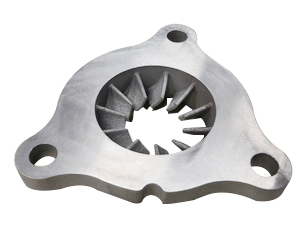
 

SLM Technology for Automotive Metal Intake and Exhaust Cones


SLM technology is revolutionizing the production of automotive metal intake and exhaust cones, offering unparalleled advantages in design, material performance, and manufacturing efficiency. By leveraging SLM, automotive manufacturers can create high-performance, lightweight, and durable components that meet the demands of modern vehicles.


At  Dongguan YYI Technology, we specialize in using SLM technology to deliver top-quality automotive components. Contact us today to learn how our SLM solutions can benefit your next project and drive your innovation forward.

...
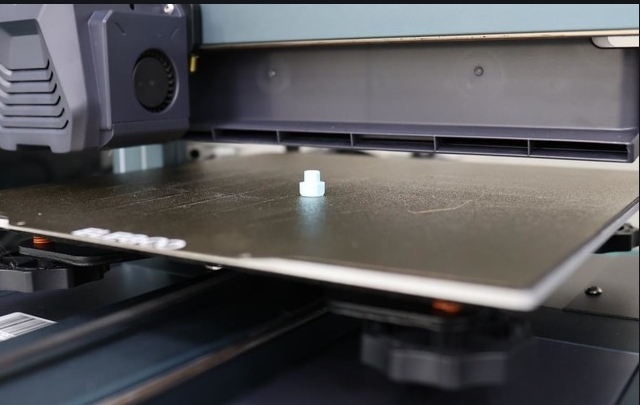
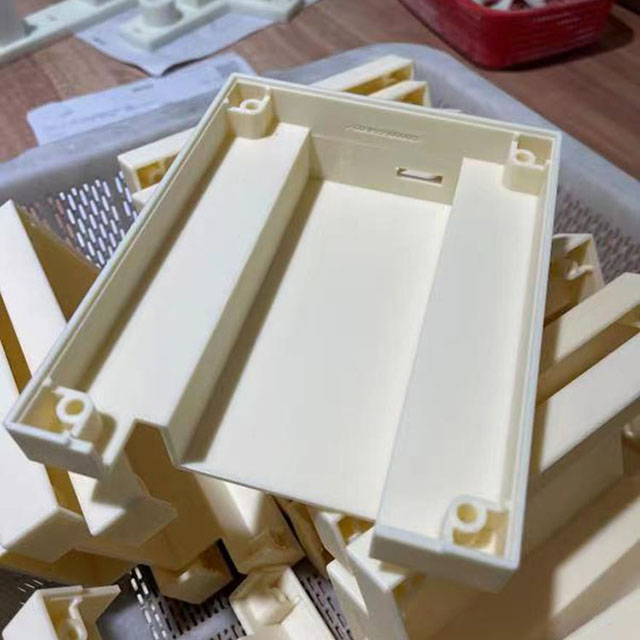
How FDM Technology is Revolutionizing Prototyping and Manufacturing?

In today’s fast-evolving world of product design and manufacturing, Fused Deposition Modeling (FDM) has emerged as a versatile and cost-effective 3D printing technology. By enabling rapid prototyping and functional part production, FDM is bridging the gap between conceptualization and realization.

Fused Deposition Modeling (FDM)


What is FDM?

FDM, also known as Fused Deposition Modeling, is a layer-by-layer additive manufacturing technique. It utilizes thermoplastic filaments, which are heated to their melting point and precisely extruded to build parts from the bottom up. This process is guided by a 3D model, ensuring accuracy and repeatability.


Key Advantages of FDM Technology

  1. Cost-Efficiency
    Unlike other 3D printing technologies, FDM is highly affordable, making it an excellent choice for startups, educational institutions, and small businesses.

  2. Material Diversity
    FDM supports a wide range of materials, including PLA, ABS, PETG, and engineering-grade filaments like Nylon and Polycarbonate. This versatility allows it to cater to diverse industry needs.

  3. Ease of Use
    FDM printers are user-friendly, with minimal setup and maintenance requirements. This makes them a popular option for beginners and professionals alike.


Applications of FDM Technology

  1. Rapid Prototyping
    FDM is widely used in the creation of prototypes for testing designs, functionality, and fit. Its ability to quickly turn ideas into tangible models accelerates the design iteration process.

  2. Customized Manufacturing
    Whether it's small-batch production or custom parts for specific applications, FDM excels in delivering tailored solutions. For example:

    • Medical devices and models.
    • Custom jigs and fixtures for manufacturing lines.
  3. Educational Tools
    Many schools and universities use FDM printers to teach students about engineering, design, and manufacturing principles.

  4. DIY and Maker Communities
    The affordability and flexibility of FDM have made it a favorite in the maker movement, where creators bring their innovative ideas to life.

FDM Technology


FDM vs. Other 3D Printing Technologies

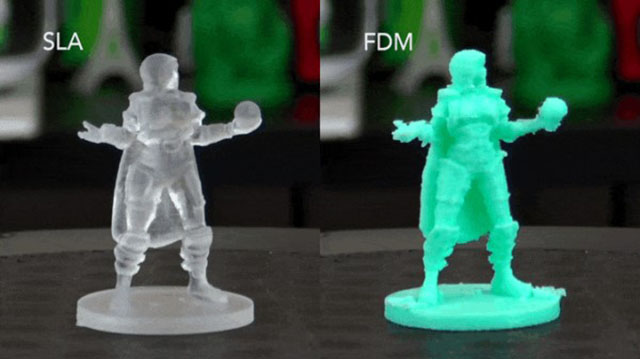
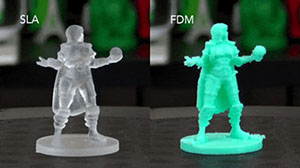
While FDM offers a cost-effective and versatile solution, it may lack the fine detail and surface finish provided by SLA (Stereolithography) or the strength of parts produced by SLS (Selective Laser Sintering). However, FDM’s lower barrier to entry and broad material compatibility make it a leader for functional prototypes and everyday 3D printing needs.

FDM VS SLA 3D printing


Our Commitment to Quality

At  YYI Technology, we specialize in FDM-based 3D printing services that deliver high-quality, precise, and durable results. Whether you need rapid prototyping, small-batch production, or a custom project, we’re here to turn your ideas into reality.


Conclusion
FDM technology is transforming the way we approach design and manufacturing. Its accessibility, affordability, and versatility have made it a cornerstone of innovation for industries and individuals alike. Explore how FDM 3D printing can empower your projects—contact us today to learn more!

...

Unleashing the Potential of FDM 3D Printing Across Industries

Fused Deposition Modeling (FDM) has become a cornerstone of modern manufacturing and innovation. Its affordability, versatility, and compatibility with various materials make it a go-to technology for businesses across diverse industries. From prototyping to functional parts production, FDM is reshaping how industries approach design and manufacturing. In this article, we explore the key industries leveraging FDM 3D printing and the transformative impact it brings.

FDM 3D Printing


1. Manufacturing and Engineering

Applications:

  • Rapid Prototyping: Create concept models, design prototypes, and functional parts in a fraction of the time.
  • Custom Tools and Fixtures: Print jigs, fixtures, and assembly aids tailored to specific production needs.
  • On-Demand Production: Manufacture small-batch or customized parts without the cost of traditional tooling.

Benefits:
FDM accelerates the design-to-production cycle, reduces costs, and enables on-the-fly adjustments, making it invaluable for engineering and manufacturing processes.

FDM 3D Printing plastic Manufacturing parts


2. Aerospace Industry

Applications:

  • Lightweight components to reduce aircraft weight and improve fuel efficiency.
  • Functional prototypes for wind tunnel testing and structural validation.
  • Custom brackets, housings, and cable management systems.

Benefits:
FDM's ability to print with high-performance materials like ULTEM™ or PEEK makes it ideal for parts that must withstand extreme conditions, including high stress and temperatures.

FDM 3D Printing ABS custom Aerospace plastic parts


3. Automotive Sector

Applications:

  • Design validation for automotive parts like air ducts, dashboard panels, and brackets.
  • Customized tools and fixtures to enhance assembly line productivity.
  • Small-scale production of specialty or aftermarket parts.

Benefits:
FDM helps automotive manufacturers save time and resources, enabling faster prototyping and production of durable, high-quality parts.

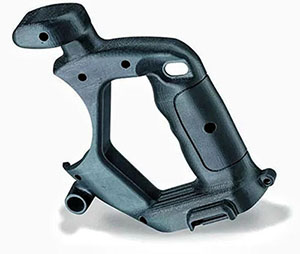
FDM 3D printing custom plastic Automotive parts


4. Healthcare and Medical Devices

Applications:

  • Anatomical models for surgical planning and medical education.
  • Custom prosthetics, orthotics, and assistive devices.
  • Prototyping and testing of medical equipment designs.

Benefits:
FDM supports biocompatible materials for safe and effective medical applications, while its customization capabilities improve patient-specific solutions.

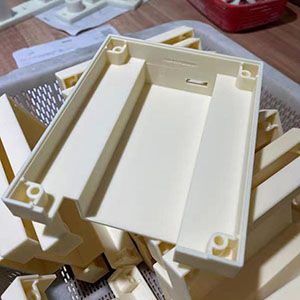
FDM 3D printing custom Medical Devices shell


5. Education and Research

Applications:

  • Hands-on learning in engineering, design, and technology courses.
  • Development of experimental setups and research tools.
  • Visual aids such as architectural models, geographical terrain maps, or mechanical assemblies.

Benefits:
Affordable and easy to operate, FDM printers provide students and researchers with the tools to innovate and experiment with real-world applications.


6. Consumer Products and Electronics

Applications:

  • Quick iteration of product designs, from concept to final model.
  • Custom enclosures, mounts, and fixtures for electronics.
  • Personalized products, including home décor, accessories, and wearable tech.

Benefits:
FDM empowers designers to test and refine their ideas efficiently, reducing time-to-market for innovative consumer products.

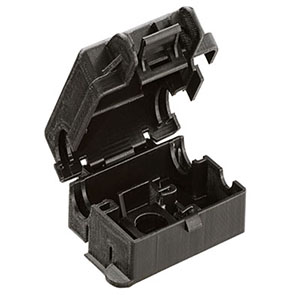
FDM 3D Printing nylon custom Electronics cases


7. Architecture and Construction

Applications:

  • Scale models of buildings and infrastructure for presentations.
  • Visualization of complex geometries and designs.
  • Custom components for construction, such as brackets and connectors.

Benefits:
FDM simplifies the creation of detailed architectural models, enabling architects to communicate their designs effectively to clients and stakeholders.


8. Creative and Art Industries

Applications:

  • Sculptures, installations, and props for films or performances.
  • Custom jewelry and fashion accessories.
  • Artistic prototypes for exhibitions and galleries.

Benefits:
With its ability to print intricate designs in various materials, FDM opens new possibilities for artists and designers to bring their visions to life.

FDM 3D Printing custom plastic craftwork


9. Defense and Military

Applications:

  • Prototypes and functional parts for mission-critical equipment.
  • Training aids such as weapon models or terrain replicas.
  • Custom components for vehicles and tactical gear.

Benefits:
FDM’s speed and flexibility allow military organizations to quickly produce on-demand solutions for field operations and training scenarios.

FDM 3D printing service custom Military parts


10. Food and Packaging

Applications:

  • Custom molds and packaging prototypes for food products.
  • Production of food-safe tools and utensils.

Benefits:
FDM’s precision and material options make it suitable for creating tailored solutions for the food industry.


Why FDM is Revolutionizing Industries

The adaptability of FDM technology stems from its wide material compatibility, including PLA, ABS, PETG, and specialty materials like carbon-fiber composites. This versatility ensures FDM meets the needs of applications ranging from lightweight, high-strength aerospace components to flexible, custom medical devices.

At [Your Company Name], we specialize in providing tailored FDM 3D printing services to help businesses across industries innovate and achieve their goals. Whether you're prototyping a new design, creating custom tools, or producing functional parts, our team is here to guide you through the process.


FDM 3D printing continues to disrupt traditional manufacturing, offering unprecedented flexibility and cost savings. From engineering to healthcare, its impact spans a wide array of industries. Ready to bring your ideas to life? Contact us today to learn more about our FDM 3D printing solutions and how they can benefit your business.


...

Why Choose 3D Printing Services? The Value It Brings to You

In the world of manufacturing and design, additive manufacturing is revolutionizing how ideas turn into reality. Whether you are a product designer, engineer, or DIY enthusiast, 3D model printing services provide essential support for your creativity and projects. But what exactly can 3D prototyping bring to the table?


3D prototyping


1. Flexibility and Customization

Traditional manufacturing often requires expensive molds and complex processes, but additive manufacturing is entirely different. It allows for the creation of unique and intricate shapes directly from digital models. Whether you need a complex mechanical component or a personalized decorative piece, 3D model printing services make it possible. What's more, you can easily tweak designs and implement updates quickly.


2. Rapid Prototyping

For designers and engineers, testing an idea often involves numerous trials. 3D prototyping simplifies and accelerates this process. You can transform your design into a physical object in just a few hours, making it easy to test and refine the product's appearance and functionality.


3. Versatile Materials

3D printing supports a wide range of materials, from lightweight and durable plastics to high-strength metals, such as those used in metal additive manufacturing. Depending on your needs, we can recommend the most suitable material to ensure your project is both cost-effective and functional.


4. Cost-Effective Small-Batch Production

For small-scale production, traditional manufacturing can be too costly. Additive manufacturing, on the other hand, is ideal. It requires no molds and allows for easy adjustments between products by simply modifying the digital model. This minimizes waste and reduces expenses.


5. Advanced Printing Technologies

Cutting-edge techniques like Multijet Fusion printing take 3D printing to a new level. This technology provides high-quality, durable parts with fine detail, making it suitable for functional prototypes and end-use components.


6. Reduce Supply Chain Stress

In today's world of supply chain challenges, additive manufacturing can help businesses reduce their reliance on external suppliers. Whether it’s replacement parts or a rush order, 3D printing offers a fast and reliable solution.


Our Advantage

YYI Technology 3D model printing services are designed to deliver high-quality and responsive solutions for our clients. From design to delivery, our team works closely with you to ensure your project achieves optimal results. Whether you're exploring 3D prototyping for the first time or seeking to streamline an existing manufacturing process with Multijet Fusion printing or metal additive manufacturing, we’re here to help.


Conclusion
Additive manufacturing is becoming an indispensable part of modern manufacturing due to its unmatched advantages. If you have ideas to bring to life or projects that need rapid execution, don't hesitate to contact us. Let’s harness technology to empower your future!


...

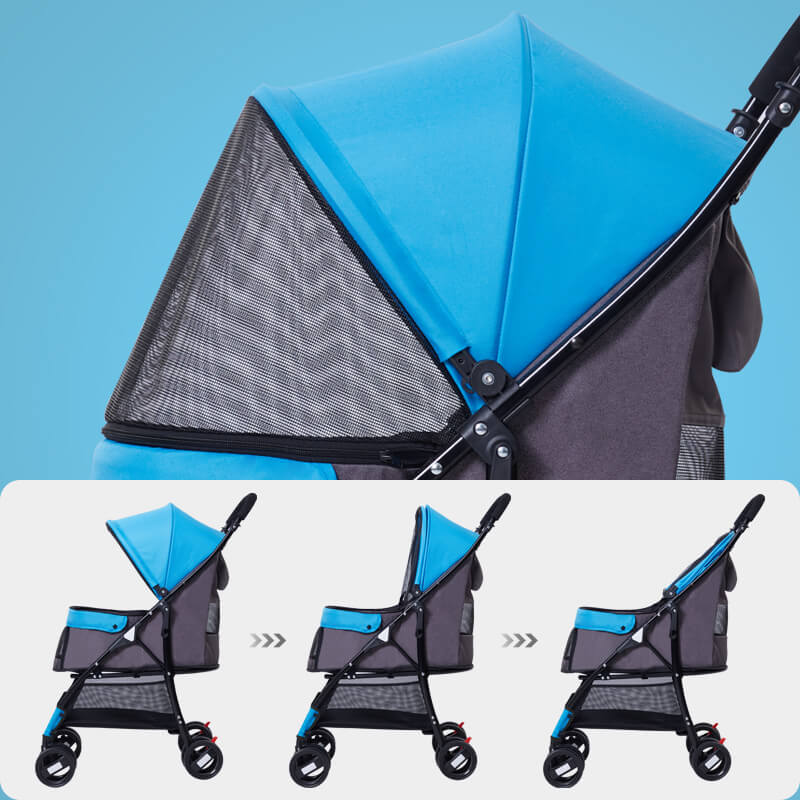
The Small Dog Stroller Guide for Selecting a Cost-Effective “Dog Walking”

Choosing the perfect dog stroller for your small dog can be overwhelming, especially when balancing quality, functionality, and budget. This guide breaks down key considerations while spotlighting the Hope PC101 Pet Stroller—a standout mid-range option that combines affordability with premium features.


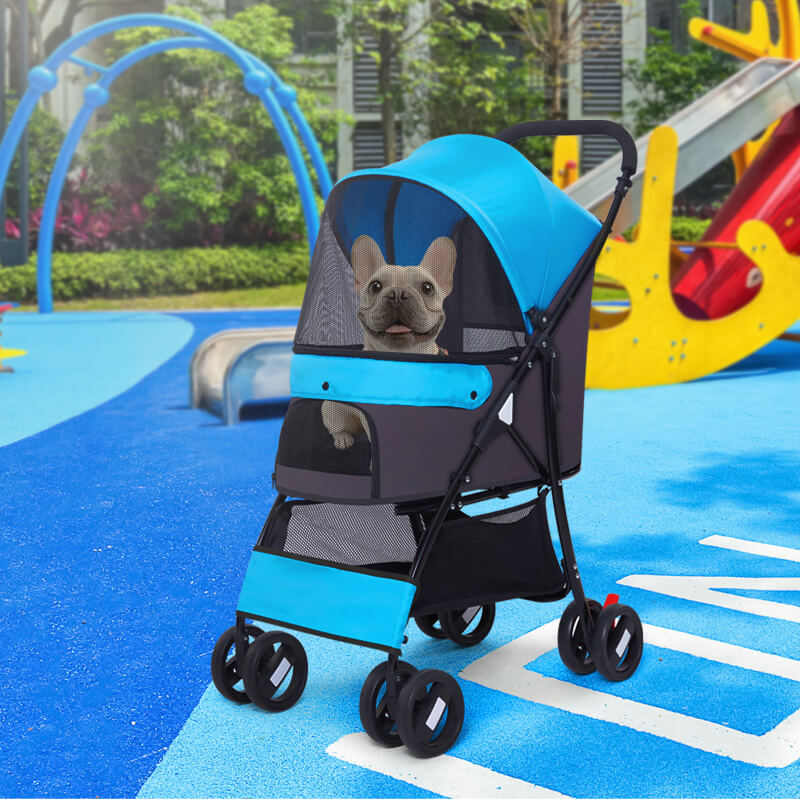
pet stroller for small dogs

1. Identify Core Needs

A. Usage Scenarios

  • Short daily walks: Prioritize lightweight, foldable designs.
    dog stroller

  • Long trips/outdoor adventures: Opt for strollers with strong shock absorption (e.g., rubber wheels + spring suspension).

  • Rough terrain (grass, gravel): Choose wide-spaced wheels + anti-slip tires for stability.

Why Hope PC101 Fits:

  • 5.5-inch EVA tires + spring suspension handle bumpy roads, brick paths, and light trails.

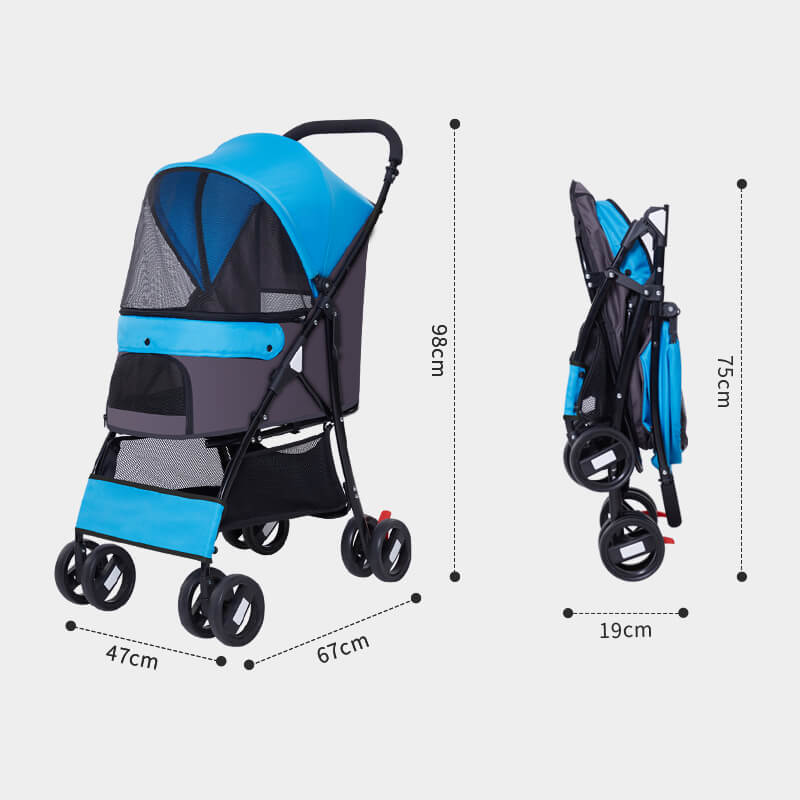
  • Foldable steel frame (collapses to 76cm height) fits easily into car trunks, ideal for urban and suburban use.
    foldable dog stroller

  • B. Dog’s Requirements
  • Weight/size: Ensure the stroller’s load capacity ≥ 1.5x your dog’s weight (e.g., 8kg+ for a 5kg dog).

  • Health issues: Elderly dogs or those with joint problems need extra cushioning and spacious interiors.

Why Hope PC101 Fits:

  • 15kg max weight capacity comfortably supports small breeds like Poodles, Bichons, and Yorkies.

  • Spacious cabin (580×320×530mm) offers ample room for dogs to sit, stand, or lie flat, ideal for senior or recovering pets.

  • 2. Key Features to Evaluate

A. Material & Structure

  • Frame: Aluminum alloy (lightweight & rustproof) > steel (durable but heavier).

  • Fabric: Oxford cloth (waterproof & wear-resistant) > basic polyester.

Hope PC101 Highlights:

  • High-strength steel frame: Streamlined and foldable (5kg net weight), tested for durability and safety.

  • 300D Oxford fabric + TPU mesh: Waterproof, scratch-resistant, and breathable for year-round comfort.

  • B. Wheel Design
  • Front swivel wheels + rear fixed wheels: Balances agility and stability.

  • Wheel diameter >15cm: Better for overcoming small obstacles (e.g., curbs).

  • Hope PC101 Highlights:
  • 5.5-inch front EVA wheels (360° rotation) + 5-inch rear wheels with dual brakes ensure smooth turns and slope safety.

  • Tool-free quick-release wheels outpace competitors’ pin-fixed designs for hassle-free assembly.

  • C. Safety Essentials
  • Built-in safety leash (prevents jumping out).

  • Hard bottom plate (supports spine, prevents sagging).

  • Side mesh panels + openable roof (ventilation and interaction).

Hope PC101 Highlights:

  • Reinforced base plate prevents sagging, protecting your dog’s spine.

  • Removable mesh panels enhance airflow, while the zippere

...

CNC Machining for Plastic Parts – High Precision & Rapid Prototyping

Introduction to Plastic CNC Machining

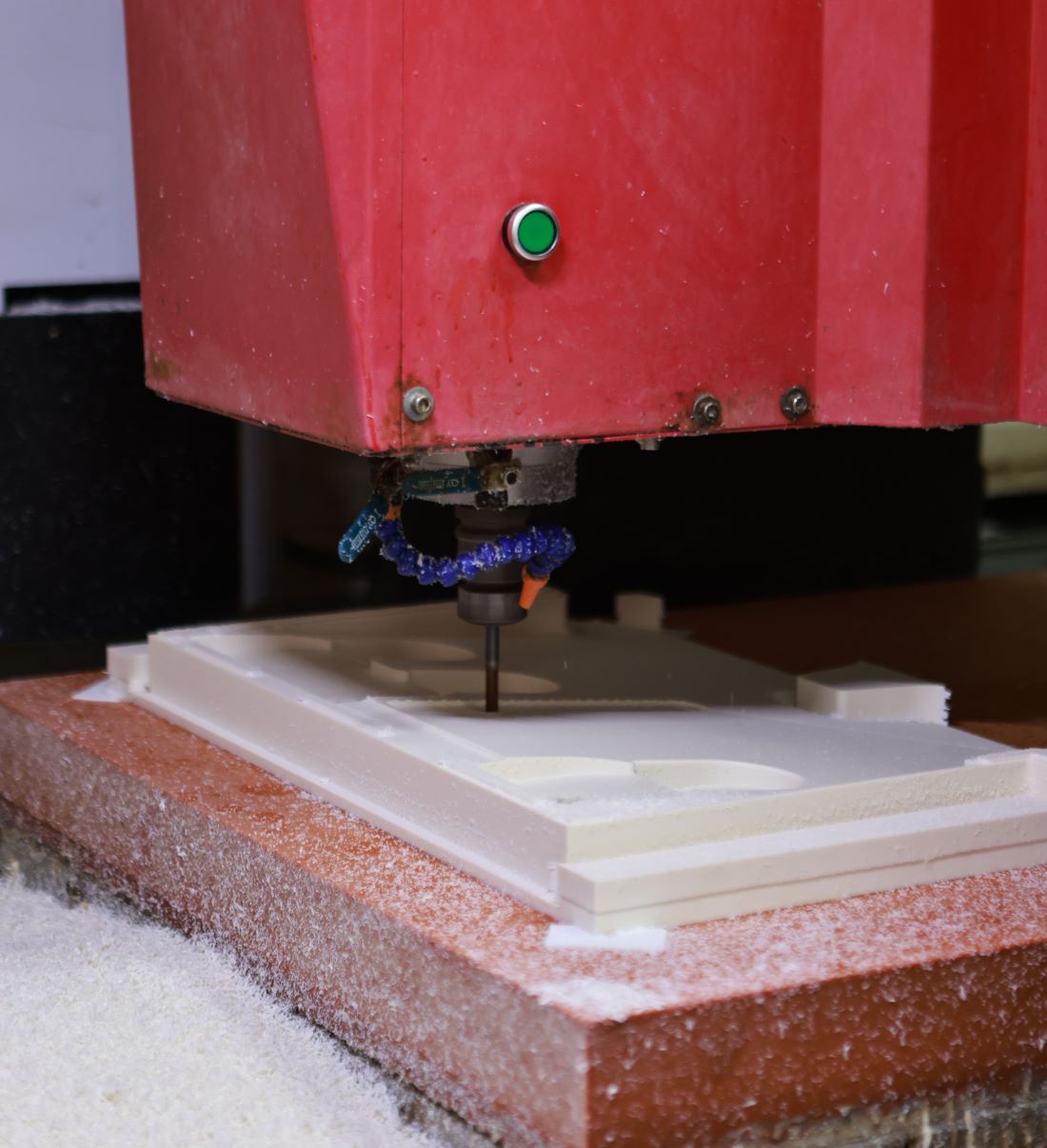
CNC machining is one of the most effective methods for producing high-precision plastic components. It offers excellent accuracy, flexibility, and consistency, making it ideal for industries such as medical device manufacturing, aerospace prototyping, and consumer electronics production. Unlike injection molding, CNC machining does not require expensive tooling, making it perfect for low-volume plastic part manufacturing and custom designs.  


Why Choose CNC Machining for Plastic Parts?

- Superior dimensional accuracy – Ideal for tight-tolerance plastic parts.  

- Supports a wide range of plastics – Including  ABS, PC, PMMA, PEEK, POM, and Nylon.  

- No tooling cost – Perfect for custom plastic prototype machining and short-run production.  

- Excellent surface quality – Options for polishing, painting, and custom plastic finishing services.  

  • Fast production turnaround – Efficient and cost-effective for low-volume plastic manufacturing.  


Our Expertise in CNC Machining for Plastics

At LEADMAKE, we specialize in 5-axis CNC plastic machining, allowing us to manufacture complex and highly detailed components with extreme precision. Our advanced equipment and experienced team ensure that every part meets the highest quality standards.  


Why Work With Us?

5-axis CNC machining for plastic parts – Achieve intricate geometries with high precision.  

ISO-certified quality control – Rigorous inspection to guarantee accuracy and consistency.  

Rapid prototyping & small-batch production – Quick delivery without the need for expensive molds.  

Custom finishes for plastic CNC parts – Including polishing, painting, laser engraving, and UV coating.  

Global shipping & fast turnaround – Reliable production with on-time delivery.  


Request a Free Quote Today!

Looking for a trusted CNC machining supplier for plastic parts? At LEADMAKE, we provide custom CNC machining services for plastics, ensuring precision, efficiency, and cost-effectiveness. Contact us today for a free CNC machining quote, and let's turn your designs into reality!  


📩 Get in touch now


...

Pet Stroller Brand Comparison Hope vs. Pet Stroller, HPZ, and Gen7 Pets

When choosing stroller for dog​, customers often look for a balance between quality, functionality, and price. In this article, we compare Anhui Hope Pet Products Co., Ltd. ( hopepetize) with three popular international brands—PetStroller, HPZ, and Gen7Pets—to help you make an informed decision based on your needs and budget.

hope pet logo

1. Hope Pet Strollers
Advantages:
Affordable Pricing: Hope strollers are significantly more affordable than international brands, with prices ranging from $14-$100.This makes them an excellent choice for budget-conscious customers.
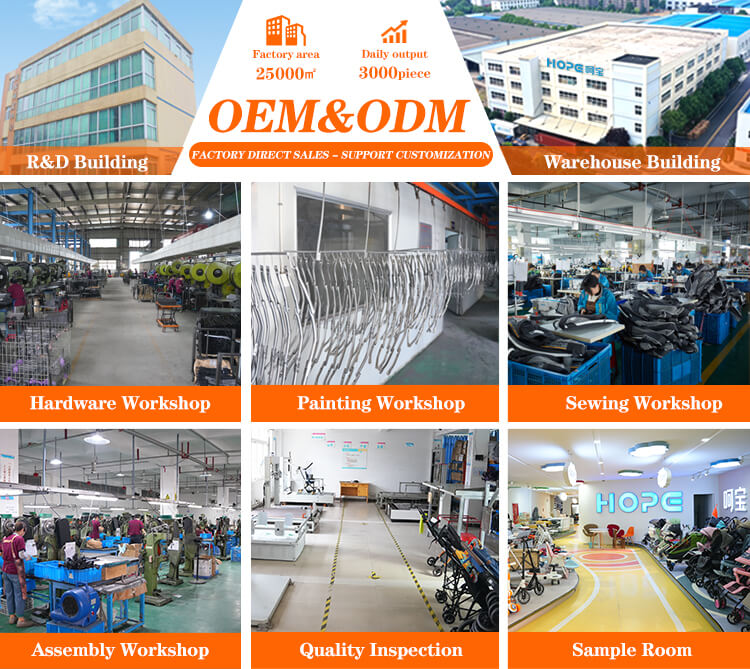
In-House Factory and Design Team: Hope owns its factory and has a professional design team, ensuring high-quality control, faster production, and innovative designs tailored to customer needs.
hope dog stroller factory
Access to China’s Resources: Backed by China’s vast manufacturing capabilities and material resources, Hope can offer cost-effective solutions without compromising on quality.
Localized Design: Hope stroller are designed with urban environments in mind, making them suitable for narrow streets, elevators, and crowded spaces.
Practical Features: Most Hope strollers come with essential features like sun canopies, storage bags, and safety straps.
dog stroller outdoor
Easy After-Sales Service: As a local brand, Hope offers convenient after-sales support, including easier access to replacement parts and repairs.after sale service
Disadvantages:
Lower Brand Recognition: Hope is less known in international markets, which may affect customer trust in its quality and design.
Material and Durability: Some users report that Hope strollers may not be as durable as high-end brands, with wear and tear occurring over time.
Limited Innovation: Hope strollers lack some of the innovative features found in brands like Gen7Pets (e.g., smart accessories).

Best For: Budget-conscious customers with small to medium-sized dogs who prioritize affordability, quality control, and practical design in pet strollers.

2. PetStroller
Advantages:
Lightweight and Portable: Pet Stroller strollers are easy to carry and fold, making them ideal for frequent travelers.
Good Ventilation: Mesh designs provide excellent airflow, perfect for summer use.
Mid-Range Pricing: Prices range from $80−$150, offering good value for money.
Disadvantages:
Limited Weight Capacity: Not suitable for large pets.
Average Durability: Some users report issues with wheel and frame durability over time.
Basic Design: Lacks the premium look and feel of higher-end brands.
Best For: Customers with small pets who need a lightweight, affordable stroller for everyday use.

3. HPZ
Advantages:
Premium Design: HPZ strollers are known for their stylish, high-end appearance.
Durability: Made with high-quality materials, HPZ strollers are built to last.
Heavy-Duty Capacity: Suitable for medium to large pets.

Multi-Functional Accessories: Includes features like expandable storage, waterproof covers, and adjustable handles.
Disadvantages:
High Price: HPZ strollers are expensive, with prices ranging from $200−$400.
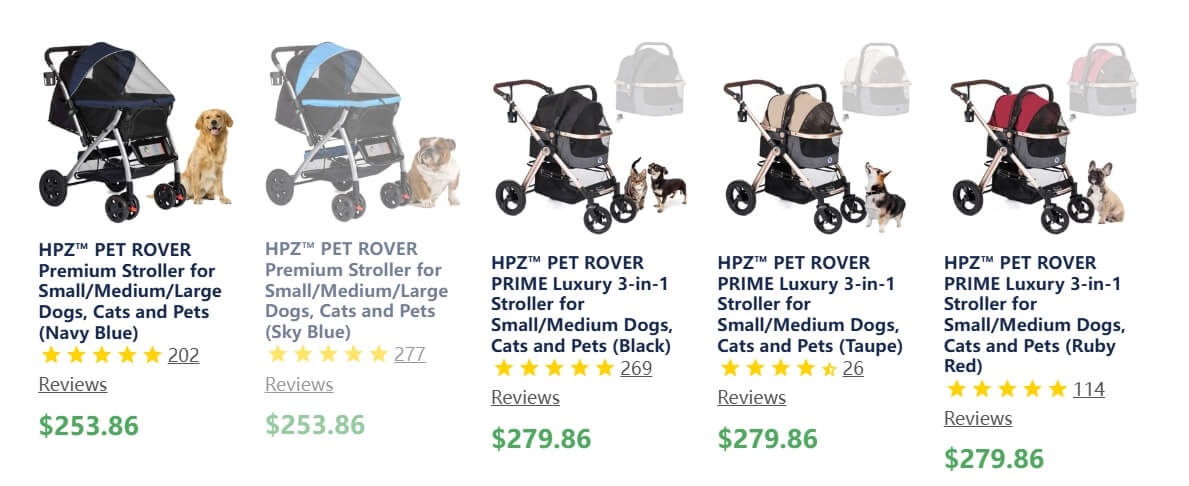
HPZ sale price
Heavy Weight: The strollers are heavier and less portable.
Complex Folding Mechanism: Some models are not as easy to fold and carry.
Best For: Customers who prioritize premium quality, durability, and design, and have medium to large pets.

4. Gen7Pets
Advantages:
Innovative Features: Gen7Pets strollers offer unique features like reversible handles and adjustable seating.
Lightweight Yet Durable: Combines portability with sturdy construction.
Versatile Use: Suitable for urban, outdoor, and travel scenarios.
User-Friendly: Easy to fold and operate.
Disadvantages:
Higher Price: Prices range from $150−$300, which may be out of budget for some customers.
Accessories Sold Separately: Additional features like rain covers and storage bags often require separate purchases.
Weight Capacity: Some models may not support very large pets.

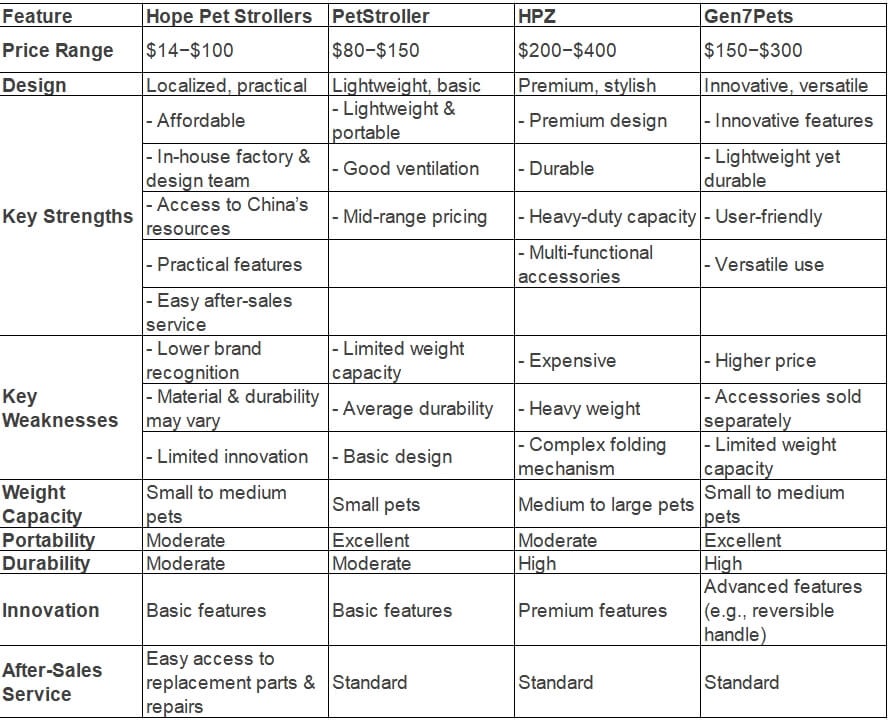
Pet Stroller Brand Comparison: Hope vs. PetStroller, HPZ, and Gen7Pet
Pet Stroller Brand Comparison

Why Choose Hope?
Cost-Effective: Hope dog strollers offer excellent value for money, making them ideal for customers on a budget.
In-House Factory and Design Team: Hope’s dedicated factory and design team ensure high-quality production, faster turnaround times, and customized solutions.
Access to China’s Resources: Backed by China’s vast manufacturing capabilities and material resources, Hope can deliver high-quality products at competitive prices.
Localized Solutions: Designed for urban environments, Hebao strollers are practical for everyday use.
Growing Quality: While Hebao may not yet match the durability of HPZ or the innovation of Gen7Pets, the brand is continuously improving its materials and designs.

Recommendations for International Customers
If you’re on a budget: Choose Hope for affordable, functional strollers backed by a reliable factory and design team.
If you have a small pet: Consider PetStroller for its lightweight and portable design.
If you want premium quality: Go for HPZ for its durability and stylish appearance.
If you value innovation: Opt for Gen7Pets for its user-friendly and versatile features.

Conclusion

Each brand has its strengths and weaknesses, and the best choice depends on your specific needs, budget, and pet size. Hope stands out as a cost-effective option for budget-conscious customers, offering high-quality production, localized design, and access to China’s vast resources. For those seeking premium quality or innovative features, PetStroller, HPZ, and Gen7Pets are excellent alternatives. By understanding these differences, you can select the perfect pet stroller for your furry friend! 

...

Pet Stroller Cleaning and Maintenance Tips Keeping Your Pet's Ride Fresh and Safe

As a proud manufacturer of pet strollers for cats and pet strollers for dogs, we know how much your furry friends mean to you. Whether you’re taking your cat on a peaceful neighborhood stroll or giving your dog a break during a long walk, a pet stroller is more than just a convenience—it’s a way to show your pet love and care. But like any frequently used item, pet strollers need regular cleaning and maintenance to stay in top shape. In this blog, we’ll share practical, everyday tips to help you keep your pet’s stroller clean, safe, and comfortable, while highlighting the safety features that make our products stand out.
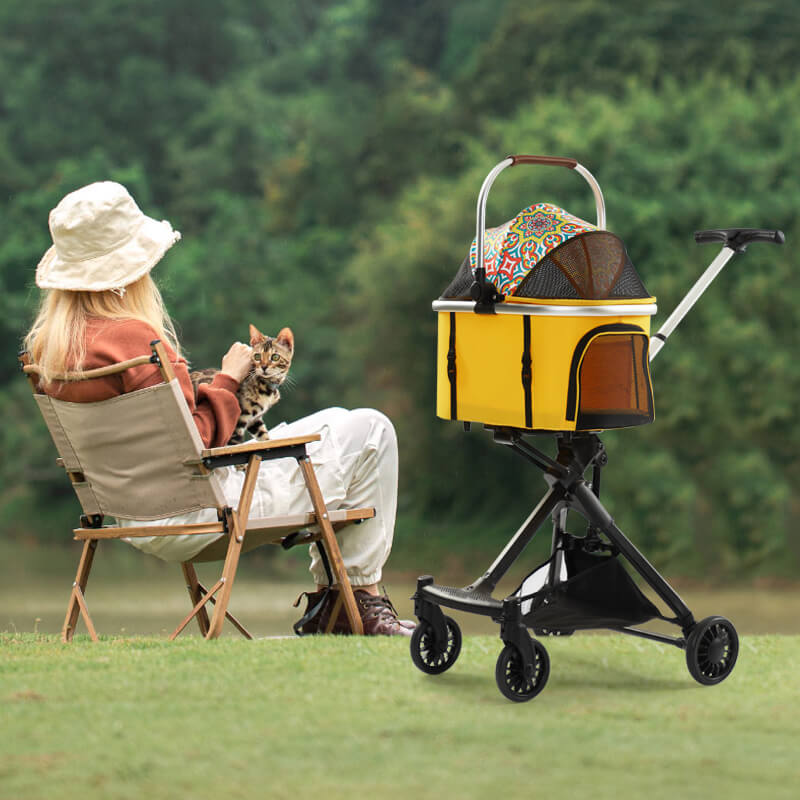
new arrival pet stroller


Why Cleaning and Maintenance Matter in Everyday Life

Let’s face it—life with pets can get messy. From muddy paws to shedding fur, your pet stroller can quickly become a magnet for dirt and odors. Regular cleaning not only keeps the stroller looking and smelling fresh but also ensures it remains a safe and hygienic space for your pet. After all, a clean stroller is a happy stroller!


Our pet strollers for cats and dogs are designed with pet owners in mind. Drawing on our expertise in manufacturing both pet strollers and baby strollers, we’ve incorporated durable, easy-to-clean materials and advanced safety features into every product. This means you can focus on enjoying quality time with your pet, knowing their stroller is built to last.

Everyday Cleaning Tips for Pet Strollers

1. Shake It Out After Every Use

After each walk, take a moment to shake out the stroller’s interior. This simple step helps remove loose fur, dirt, and debris before it settles into the fabric. For pet strollers for dogs, this is especially helpful since larger pets tend to shed more.

2. Keep Wipes Handy

Pet-safe cleaning wipes are a lifesaver for quick cleanups. Use them to wipe down the stroller’s interior, handles, and wheels after each use. This is perfect for tackling muddy paw prints or accidental spills.

3. Vacuum Weekly

Make vacuuming your pet stroller part of your weekly routine. Use a handheld vacuum or a brush attachment to remove hair and dirt from the fabric, seams, and corners. This is a must for pet strollers for cats, as their fine fur can easily get trapped in the material.

4. Spot Clean Stains Immediately

Accidents happen—whether it’s a spilled water bowl or a little “oops” from your pet. Use a mild detergent or pet-safe cleaner and a damp cloth to gently blot stains. Avoid harsh chemicals, as they can damage the fabric or irritate your pet’s skin.

5. Deep Clean Monthly

Once a month, give your pet stroller a thorough cleaning. If the fabric is removable, toss it in the washing machine (check the care label first). Wipe down the frame, wheels, and handles with a damp cloth and mild soap. Don’t forget to clean the undercarriage—it’s a hidden dirt magnet!

Maintenance Tips for a Long-Lasting Stroller

1. Check the Wheels After Outdoor Adventures

If you frequently take your pet stroller on outdoor adventures, inspect the wheels for dirt, rocks, or wear. Clean them with a damp cloth and lubricate the axles if needed to keep them rolling smoothly.

2. Tighten Screws and Bolts

Over time, screws and bolts can loosen from regular use. Every few months, check the stroller’s frame and joints, and tighten any loose parts. This ensures the stroller remains sturdy and safe.

3. Test the Brakes and Safety Features

Before each use, give the brakes a quick test to make sure they’re working properly. Also, check the stroller’s safety features, such as harnesses and zippers, to ensure they’re in good condition. Our pet strollers are designed with the same rigorous safety standards as our baby strollers, so you can trust they’ll keep your pet secure.

4. Store It Properly

When not in use, store your pet stroller in a dry, cool place. If possible, keep it covered to protect it from dust and dirt. This is especially important if you live in a humid climate, as moisture can lead to mold or mildew.

Why Our Pet Strollers Are the Perfect Choice

At our factory, we combine innovation, safety, and practicality to create pet strollers for cats and dogs that pet owners can rely on. Our experience in manufacturing baby strollers ensures that every pet stroller we produce meets the highest safety standards. From reinforced frames to easy-to-clean fabrics, our strollers are built to make your life easier and your pet’s ride more enjoyable.

A Call to Action: Love Your Pet, Care for Their Stroller

Your pet stroller is more than just a tool—it’s a way to show your furry friend how much you care. By keeping it clean and well-maintained, you’re not only extending its lifespan but also ensuring your pet has a safe and comfortable space to relax during your adventures together.

As pet owners, we have a responsibility to provide the best care for our animals. Let’s go the extra mile to keep their strollers clean, safe, and ready for every journey. After all, a happy pet means a happy life!

If you’re looking for a high-quality, safety-tested pet stroller, explore our range of pet strollers for cats and dogs. With our expertise in both pet strollers and baby strollers, you can trust us to deliver products that prioritize your pet’s comfort and safety.

dog stroller for cat

...

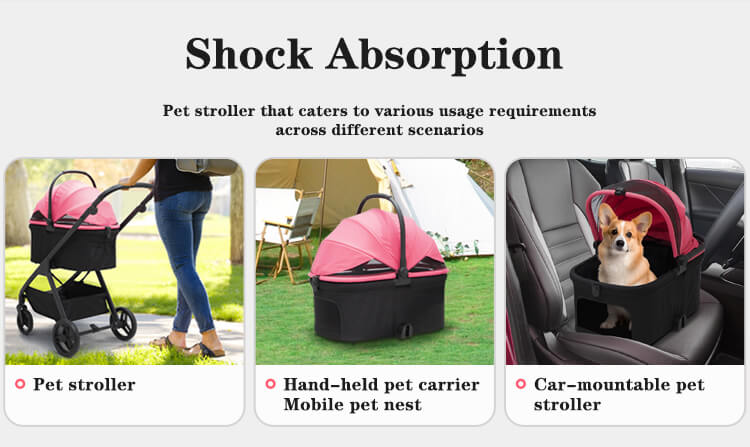
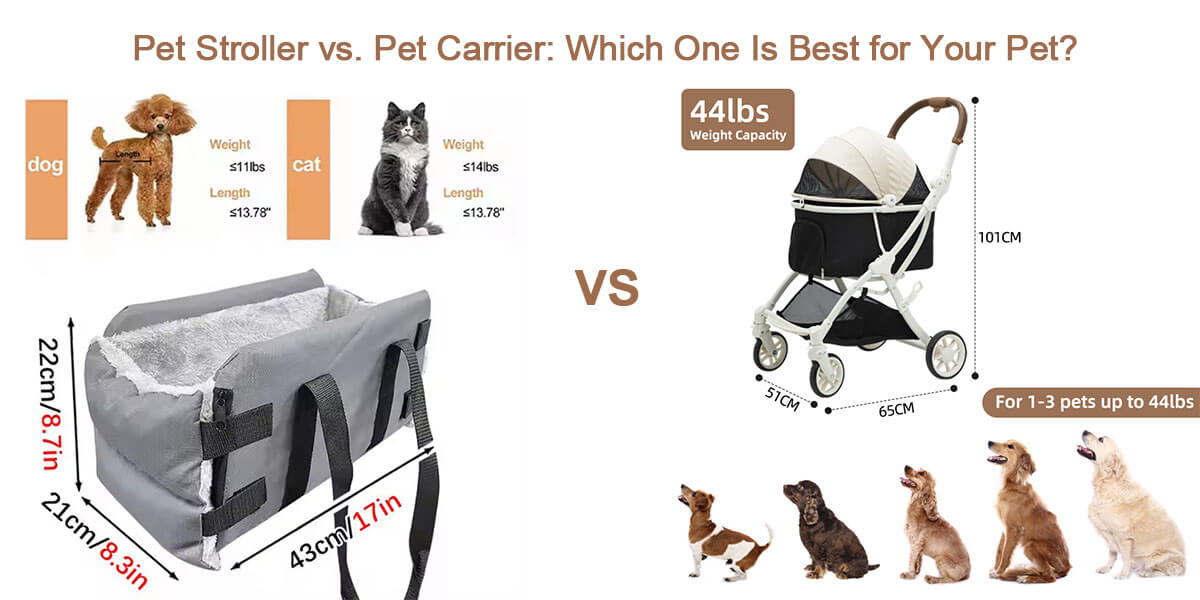
Pet Stroller vs. Pet Carrier Which One Is Best for Your Pet?

As a pet owner, you want to ensure your furry friend is comfortable, safe, and happy, whether you're heading to the vet, going on a weekend adventure, or simply taking a stroll around the neighborhood. Two popular options for transporting your pet are pet strollers and pet carriers. Both have their unique advantages and drawbacks, and the best choice depends on your pet's needs, your lifestyle, and the type of travel you have in mind. Let’s break down the pros and cons of each to help you make an informed decision.

pet stroller and pet carrier factory


Pet Strollers: The Ultimate Comfort Ride

Pros:

  1. Comfort and Space: Pet strollers are designed to provide a spacious, cushioned environment for your pet. They’re ideal for small dogs, senior pets, or animals with mobility issues who need extra support.

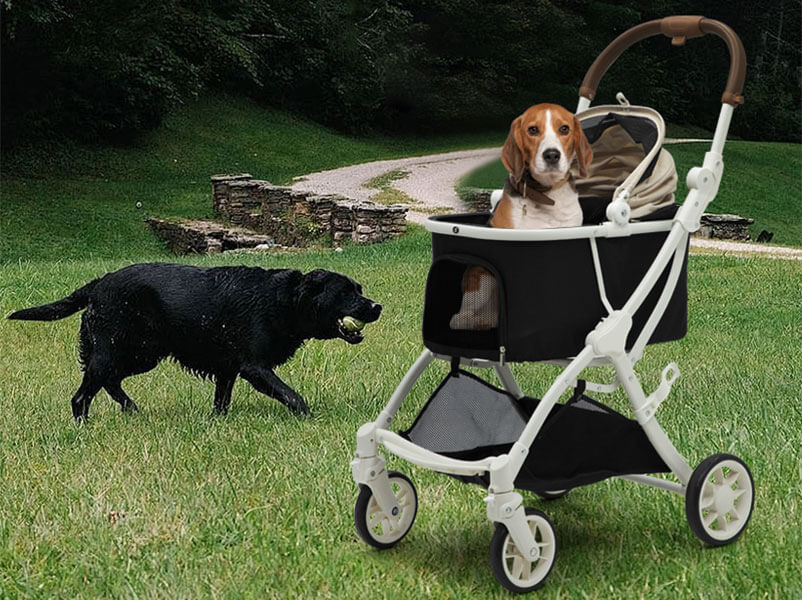
  2. Great for Outdoor Adventures: If you enjoy long walks, hikes, or trips to the park, a stroller allows your pet to enjoy the outdoors without overexerting themselves.

  3. Multi-Pet Option: Many strollers are large enough to accommodate more than one pet, making them perfect for households with multiple furry friends.

  4. Safety Features: Strollers often come with secure zippers, mesh windows for ventilation, and even rain covers to protect your pet from the elements.

  5. Convenience for Owners: Pushing a stroller is easier on your back and arms compared to carrying a pet in a carrier, especially for longer outings.

    pet stroller suppliers

Cons:

  1. Bulkiness: Strollers are larger and less portable than carriers, making them less ideal for public transportation, air travel, or tight spaces.

  2. Limited Versatility: While great for walks, strollers aren’t suitable for all situations, such as vet visits or quick errands.

  3. Higher Cost: Pet strollers tend to be more expensive than carriers, especially if you opt for high-end models with extra features.

Best For: Small dogs, senior pets, or owners who enjoy outdoor activities and want to provide their pets with a comfortable, scenic ride.


Pet Carriers: Compact and Versatile

Pros:

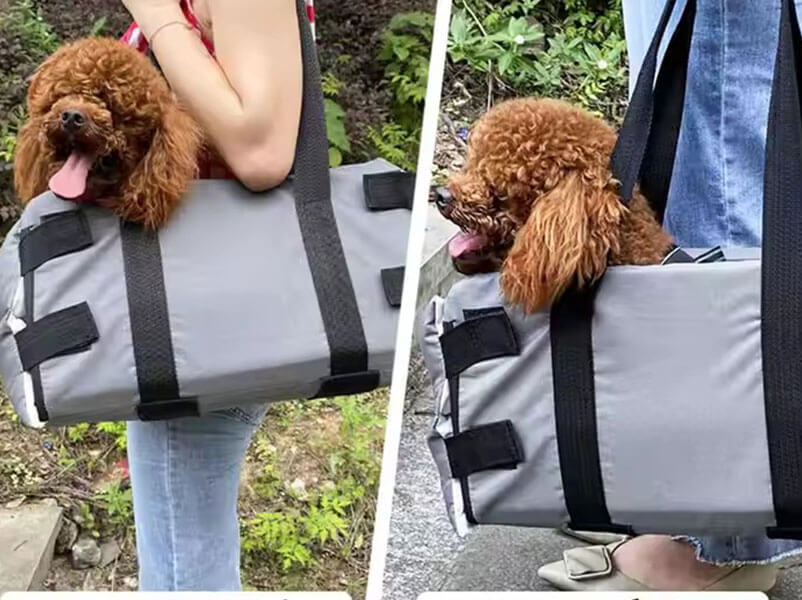
  1. Portability: Carriers are lightweight and easy to carry, making them perfect for travel, vet visits, or trips to the groomer.

  2. Airline Approved: Many pet carriers are designed to meet airline requirements, making them a must-have for pet owners who fly frequently.

  3. Versatility: Carriers come in various styles, including backpacks, shoulder bags, and tote-style options, so you can choose one that fits your lifestyle.

  4. Security: Carriers provide a confined, secure space that can help reduce anxiety for pets who feel safer in enclosed environments.

  5. Space-Saving: Carriers are compact and easy to store, making them a great option for small living spaces.
    pet carrier

Cons:

  1. Limited Space: Carriers can feel cramped for larger pets or those who prefer to stretch out.

  2. Less Comfort for Long Outings: While carriers are convenient, they may not be as comfortable for extended periods, especially for pets with joint issues or anxiety.

  3. Owner Discomfort: Carrying a pet in a carrier for long periods can strain your back and shoulders, particularly if your pet is on the heavier side.

Best For: Cats, small dogs, or owners who need a portable, versatile solution for travel, vet visits, or short outings.


How to Choose Between a Pet Stroller and a Pet Carrier

  1. Consider Your Pet’s Size and Needs: If your pet is small, elderly, or has mobility issues, a stroller might be the better choice. For larger or more active pets, a carrier could be more practical.

  2. Think About Your Lifestyle: If you’re an avid walker or enjoy outdoor adventures, a stroller is a great investment. If you travel frequently or need something for quick trips, a carrier is more versatile.

  3. Evaluate Your Budget: Strollers are generally more expensive, so consider how often you’ll use it before making a decision.

  4. Test Before You Buy: If possible, let your pet try out both options to see which one they prefer. Comfort and safety should always come first.


The Rise of Sustainable Pet Strollers and Eco-Conscious Pet Products

As the pet industry evolves, more pet owners are seeking eco-conscious pet products that align with their values. This trend has led to the rise of sustainable pet strollers, which are made from recycled materials, biodegradable components, and eco-friendly manufacturing processes. These strollers not only reduce environmental impact but also cater to a growing market of environmentally conscious consumers.

For small businesses, partnering with the best pet stroller manufacturer for small businesses can be a game-changer. By offering sustainable pet strollers, you can attract eco-conscious customers and differentiate your brand in a competitive market. Look for manufacturers that prioritize sustainability, offer customization options, and provide low MOQs (Minimum Order Quantities) to meet the needs of small businesses.


Final Thoughts

Both pet strollers and carriers have their place in a pet owner’s toolkit. If you’re looking for comfort and convenience for outdoor activities, a pet stroller is an excellent choice. On the other hand, if you need something portable and versatile for travel or quick trips, a pet carrier is the way to go. Ultimately, the best option depends on your pet’s unique needs and your lifestyle.

At hope pet, we’re here to help you find the perfect solution for your furry friend. Visit us in-store or online to explore our wide selection of sustainable pet strollers and carriers, and let us help you make the best choice for your beloved companion!


Got questions? Leave a comment below or reach out to our team of pet experts—we’re always happy to help! 🐾


...

Demystifying the Process of Die-Casting What You Need to Know

Die-casting is one of the most versatile and efficient manufacturing processes used in industries such as automotive, aerospace, electronics, and consumer goods. It allows manufacturers to produce complex, high-precision metal parts with excellent surface finishes and dimensional accuracy. However, despite its widespread use, many people still find the process somewhat mysterious. In this blog post, we’ll break down the key aspects of die-casting, explain how it works, and outline what you need to know if you’re considering this method for your project.


What is Die-Casting?

Die-casting is a metal casting process in which molten metal is injected under high pressure into a steel mold (also known as a die) to form a part. The process is typically used for metals with low melting points such as aluminum, zinc, and magnesium. Die-casting produces parts that are precise, strong, and lightweight, making it an ideal solution for manufacturing components that require intricate detail and high-volume production.


The Die-Casting Process

The die-casting process involves several key steps, each contributing to the final quality of the product:

  • Preparation of the Die: The die, typically made from steel, is designed and built to the specifications of the part to be produced. It is carefully cleaned and lubricated to prevent the molten metal from sticking and to ensure smooth removal of the finished part.
  • Molten Metal Injection: Once the die is prepared, molten metal is poured into the injection system. A plunger forces the metal into the die cavity at very high pressure (up to 4500 psi), ensuring that the metal fills all the details of the mold.
  • Cooling and Solidification: After the molten metal fills the cavity, it is allowed to cool and solidify. The cooling time depends on the complexity and size of the part. Once solidified, the die is opened, and the part is ejected.
  • Finishing: After ejection, the die-cast parts may undergo additional finishing processes such as trimming, polishing, or machining to remove excess material and ensure the part meets the required specifications.


Types of Die-Casting

There are two main types of die-casting processes: hot-chamber die-casting and cold-chamber die-casting.

  • Hot-Chamber Die-Casting: This method is typically used for metals with low melting points, such as zinc. The melting pot is integrated with the injection system, allowing the molten metal to be directly injected into the die. This process is faster and more efficient but is limited to metals that don’t corrode the injection system.
  • Cold-Chamber Die-Casting: In this method, the molten metal is poured into a separate chamber before being injected into the die. It’s commonly used for materials like aluminum and magnesium, which require higher melting temperatures. Cold-chamber die-casting is more versatile but slower than hot-chamber die-casting.


Advantages of Die-Casting

Die-casting offers a wide range of benefits, making it a popular choice for manufacturers across various industries:

  • High Precision: Die-casting is ideal for creating complex parts with tight tolerances and intricate designs.
  • Excellent Surface Finish: The smooth surface finish achieved during the casting process often requires little or no additional post-processing.
  • High Strength-to-Weight Ratio: Die-cast parts are lightweight yet strong, which is particularly beneficial for industries like automotive and aerospace.
  • High Production Speed: Die-casting is well-suited for high-volume production, allowing manufacturers to produce large quantities of parts quickly and cost-effectively.
  • Cost-Effective for Mass Production: The initial setup cost for die-casting molds can be high, but the cost per unit decreases significantly in large production runs, making it a cost-effective option for mass production.


When to Use Die-Casting

Die-casting is ideal for parts that require high strength, precision, and a smooth finish. Common applications include:

  • Automotive Components: Engine parts, transmission cases, and body parts.
  • Aerospace Parts: Structural components, brackets, and housings.
  • Consumer Electronics: Housing for phones, laptops, and other devices.
  • Industrial Applications: Machinery components, valves, and housings.


However, it’s important to note that die-casting may not be the best choice for every project. It is most suitable for projects with high-volume production needs, where precision and detail are essential.


Challenges in Die-Casting

While die-casting is an efficient process, it does come with its challenges:

  • Initial Tooling Costs: The cost of designing and manufacturing the molds can be high, which may not make die-casting cost-effective for low-volume production.
  • Material Limitations: Die-casting is typically limited to metals with low melting points, so it’s not suitable for all types of materials.
  • Porosity: If not properly controlled, die-casting can result in tiny air pockets within the metal, which can affect the strength and durability of the part.
  • Complexity of Design: While die-casting is great for producing complex parts, there are still design constraints that need to be considered, such as wall thickness and draft angles.


Die-casting is a powerful manufacturing process that offers a wide range of benefits, including precision, strength, and cost efficiency for high-volume production. Understanding the key steps and considerations involved can help you decide whether die-casting is the right choice for your project. If you’re considering die-casting for your next manufacturing need, it’s essential to work with experienced professionals who can guide you through the process, from mold design to finished part production.


For more information on die-casting and how it can benefit your manufacturing process, feel free to reach out to our team. We specialize in custom die-casting solutions and can help bring your vision to life with precision and efficiency.


...